Start with what is actually wrong
Drivers usually come to a paint shop with one of four problems: a scratch or scuff, a dent with damaged paint, paint that has faded or started to peel, or a wish for a completely new colour. Each points to a different job, and only the last one always means a full respray. Before you ask anyone for a price, walk round the car in daylight and note which panels are affected. A panel is one piece of the body: a door, a front wing, the bonnet, the roof, a bumper or the boot lid. Painters think and quote in panels, so it helps if you do too.
Take two photos of every problem area: one close-up, and one from a few steps back so the whole panel is visible. Do it outdoors, not under car park lights, because artificial light hides fading and makes colours look different from how they really are. These photos are also exactly what a workshop needs to tell you what the job involves before you drive over.
When a panel spray is enough
If the damage is limited to one or two panels and the rest of the paint is in good condition, a panel spray is the sensible choice. The damaged panel is repaired, sanded, primed, painted in the car's colour and finished with clear coat. The new colour is then blended so it sits naturally next to the original paint on the neighbouring panels. Typical panel jobs include:
- A scratched or scuffed bumper corner from a car park
- A door with a dent and cracked paint
- A bonnet with stone chips that have started to rust
- One panel where the clear coat has started to peel
- A cracked plastic bumper that can be repaired rather than replaced
Bumpers are the most common single-panel job because they take the knocks in tight parking. A cracked plastic bumper can often be repaired and repainted instead of buying a new one, which also avoids waiting for parts.
When a full respray makes sense
A full respray is the right call when the problem is spread across the car rather than sitting on one panel. That usually means the clear coat is peeling on the roof, bonnet and boot at the same time, several panels have been repainted over the years in slightly different shades, or you simply want a different colour. Doing it as one job gives one consistent finish instead of a patchwork of old and new paint.
A good full respray is mostly preparation. Trims, lights and handles are removed or carefully masked, the old surface is sanded, dents and rust are dealt with, primer goes on, and then the base colour and the clear coat are sprayed in a booth so dust does not settle on the wet paint. Rushing the preparation is how cheap resprays end up peeling or showing sanding marks within a year or two, so ask what the preparation includes, not just what the paint is.
Matching metallic, pearl and candy colours
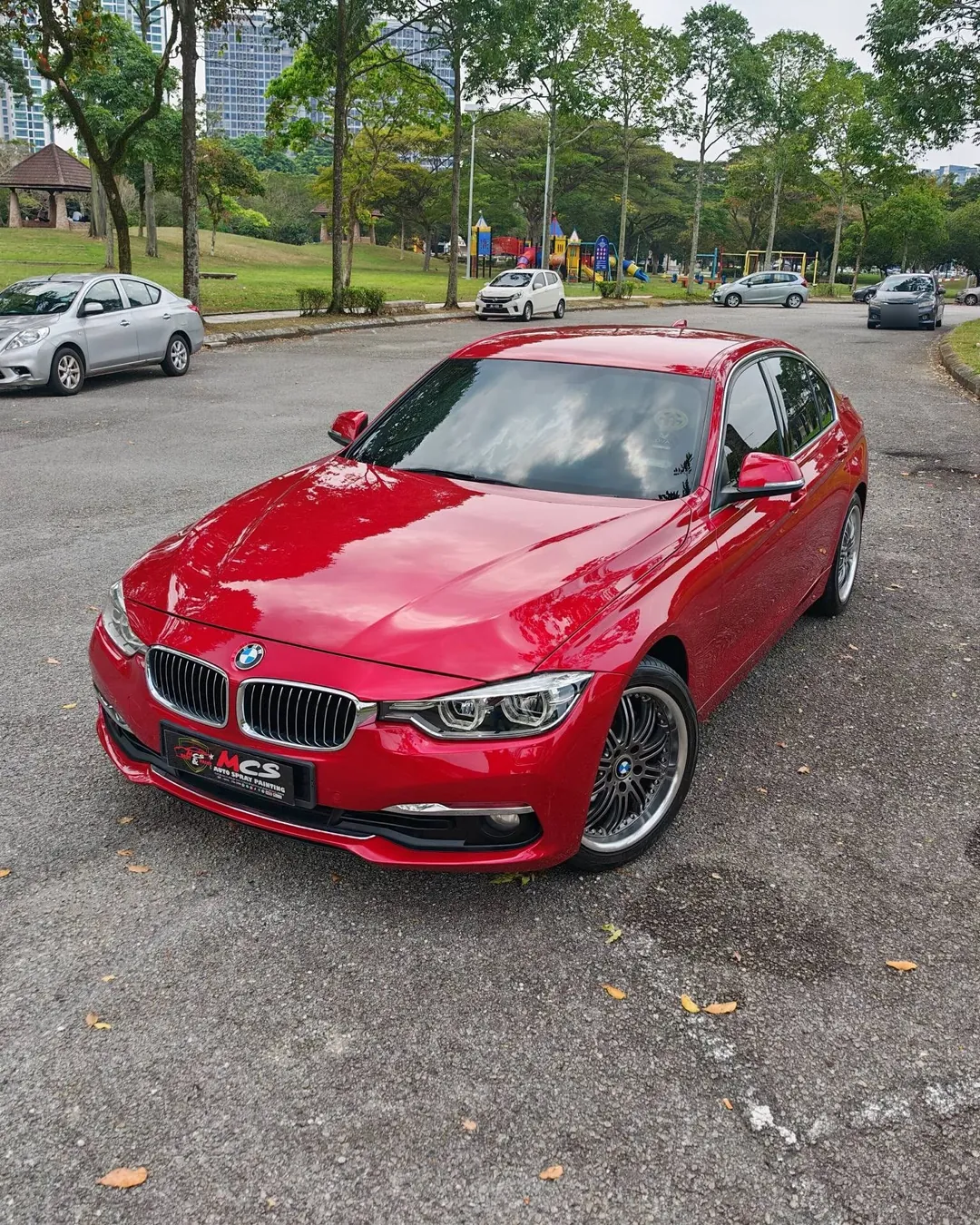
Solid colours such as plain white, black or red are the easiest to match. Metallic and pearl paints contain tiny flakes that reflect light, and the way those flakes lie depends on how the paint is sprayed, so matching them on a single panel takes more skill and often means blending the colour into the panels next to it. Candy and colour-shift finishes are built up in layers, which makes them the hardest of all to repair invisibly.
If you are not sure of your colour, look for the paint code sticker, which is often in a door jamb or under the bonnet, and send us a photo with the car model and year. That helps plan the match before the car arrives.
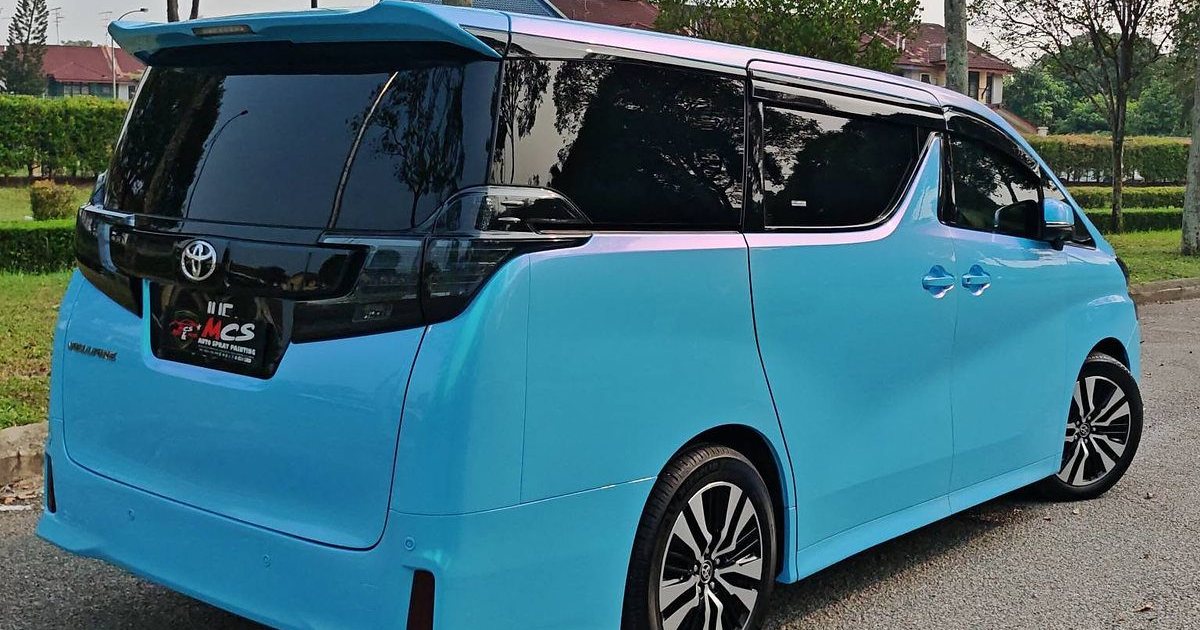
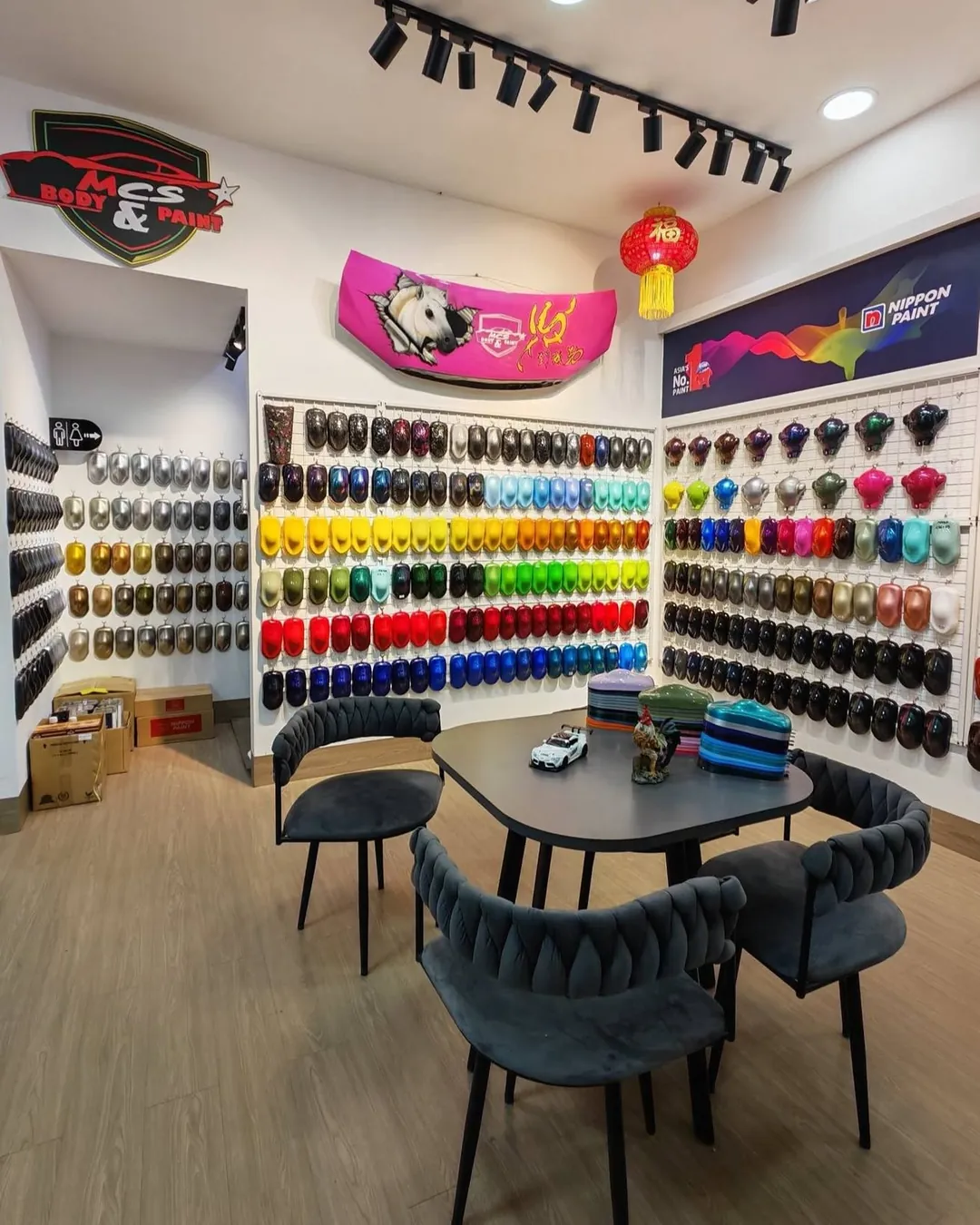
Customers choosing a new colour at MCS can sit in our colour lounge, which has walls of real spray-out samples: solids, candy, pearl, colour-shift and carbon-look panels. Seeing a colour on a real panel under light is very different from seeing it on a phone screen. One of our Facebook reels shows a special blue pearl that flips between pink-violet and cyan in different light, a good example of why it pays to see the panel in person.
Changing colour? Update JPJ
In Malaysia, if you change your car's colour you need to update JPJ. According to JPJ guidance reported by paultan.org, the owner takes the car to a JPJ branch after the job, fills in form JPJ K8 to amend the vehicle details, and the officer updates the record in the MySikap system. JPJ said there is no fee for this. If the car has more than one colour, the dominant colour is the one recorded. The colour no longer appears on the vehicle ownership certificate (VOC), but the JPJ record still has to be correct.
Repainting a panel in the same colour does not change the car's colour, so there is nothing to update for a normal repair.
Questions to ask any paint shop
- Is the car sprayed in a spray booth?
- Is clear coat applied over the colour?
- Which panels will be painted, and will the colour be blended into the panels next to them?
- What preparation is included: dent repair, rust treatment, primer?
- Will trims, lights and handles be removed or masked?
- Can I see the colour on a real sample panel before deciding?
A clear answer to each of these tells you more about the job than a price alone. We do not publish prices, because the cost depends on the car, the colour and how much preparation it needs, but we will explain what your job involves from your photos.
How to get a quote from MCS
WhatsApp photos of the car to 016-556 2998 with the model, year and colour, and tell us what you would like done. Our workshop is at No.57, Jalan Indah 16/11, Taman Bukit Indah, 79000 Iskandar Puteri, close to Taman Perling, Skudai and Nusajaya. We are open Monday, Saturday and Sunday 9am to 7pm, Wednesday to Friday 9am to 5pm, and closed on Tuesday.
Read more on our spray painting and custom colour pages. If you want to protect the new paint afterwards, see our guide to Nippon AI-PPS, PPF and ceramic coating.